Reported reactions
Research-use community accounts mention redness, itching or swelling where material was administered. Fatigue, headache, light-headedness, warmth and digestive upset also appear. These are anecdotal reports, not confirmed clinical side-effect rates. Descriptions of a reaction as short-lived or mild do not establish that the same experience applies to another person.
The accounts may not verify formulation, purity, other medicines or the amount involved. Those omissions make it difficult to identify a cause. They also prevent a reliable estimate of frequency. A list of complaints can identify questions worth studying, but cannot serve as a clinical safety label for KLOW.
When KLOW didn't do anything
Some accounts describe no noticeable effect. That report is not proof of poor quality, a wrong amount or a need for a longer course. It also does not establish that no biological change occurred. The absence of a perceived benefit leaves several explanations open, including the possibility that the proposed benefit does not occur.
A controlled blend trial would compare a defined outcome between groups. Online accounts lack that structure. They cannot tell whether a disappointing result came from the material, the expectation or the underlying condition. Escalating an amount to chase an unproven benefit has no supporting KLOW trial in the sources here. The dosage discussion explains the missing evidence without supplying a schedule.
What small safety studies can show
The BPC-157 intravenous pilot from 2025 reported no observed adverse events in two adults. That observation belongs to those participants, that preparation and that follow-up. A study of this size cannot reliably detect uncommon events or establish the effects of repeated exposure over a long period.
An early thymosin beta-4 volunteer trial studied the full-length protein. Its observations should not be assigned to TB-500, a shorter fragment, or to KLOW. KPV's laboratory evidence supplies no human side-effect profile. Skin-related GHK-Cu findings likewise do not answer the systemic safety questions of a combined preparation.
A 2026 review of musculoskeletal peptide therapies emphasizes the limited rigorous human safety evidence for unapproved peptides. A favorable animal result does not remove that limitation.
Biological cautions remain questions
Several ingredient studies involve angiogenesis, the growth of new blood vessels. That is relevant to tissue repair research and raises a theoretical concern where unwanted tissue growth is present. A BPC-157 vascular-signaling study helps explain the mechanism being discussed. It does not demonstrate that KLOW causes cancer or establish safety for someone with a cancer history.
Copper handling is another theoretical issue because GHK-Cu carries copper. The available blend evidence does not quantify risk in people with copper-regulation disorders. KPV changes inflammatory signaling in experimental systems, leaving questions about infection and immune conditions. These are reasons for careful assessment, with no claim that a particular clinical harm has been proven.
Combining ingredients adds uncertainty about interactions. The reviewed record cannot provide a complete list of interactions, pregnancy risks or long-term outcomes for KLOW.
Testing does not replace safety evidence
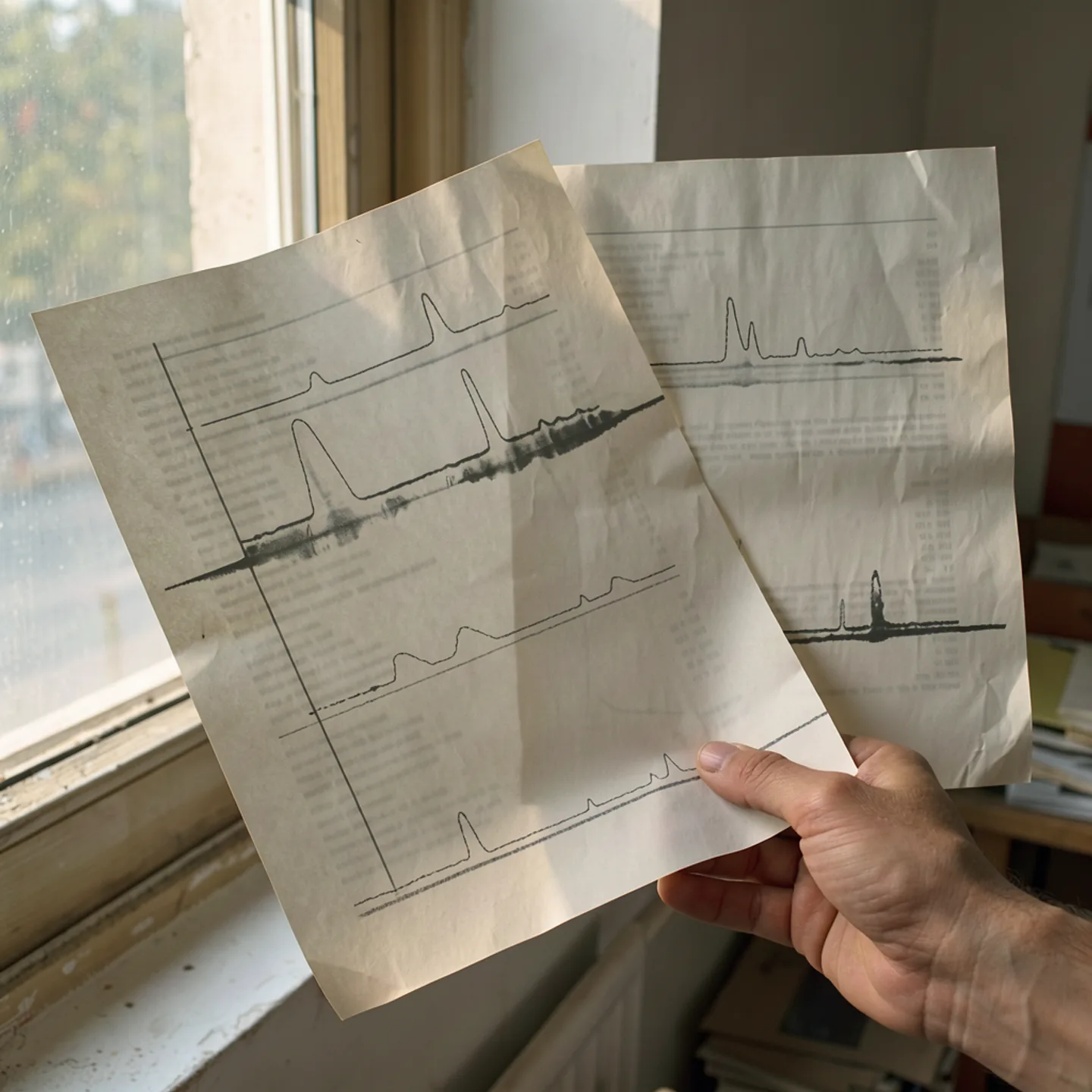
A certificate addresses the submitted material and the tests performed. It does not show how often people experience reactions or how a four-ingredient combination behaves over months. The certificate of analysis page separates identity and quality questions from clinical evidence. This site has no authenticated batch report to evaluate.
For regulatory context, FDA explains that compounded drugs do not undergo its premarket approval review. Approval status is distinct from a study's observations. This page cannot assess a symptom or determine its cause; personal care requires an appropriate health professional. A photograph or an online account supplies no basis for making that individual judgment.